

Back to All Blogs
 Back to All Blogs
SLED’s Forensic Services Showcased During National Forensic Science Week
Thursday, Sep 24, 2026
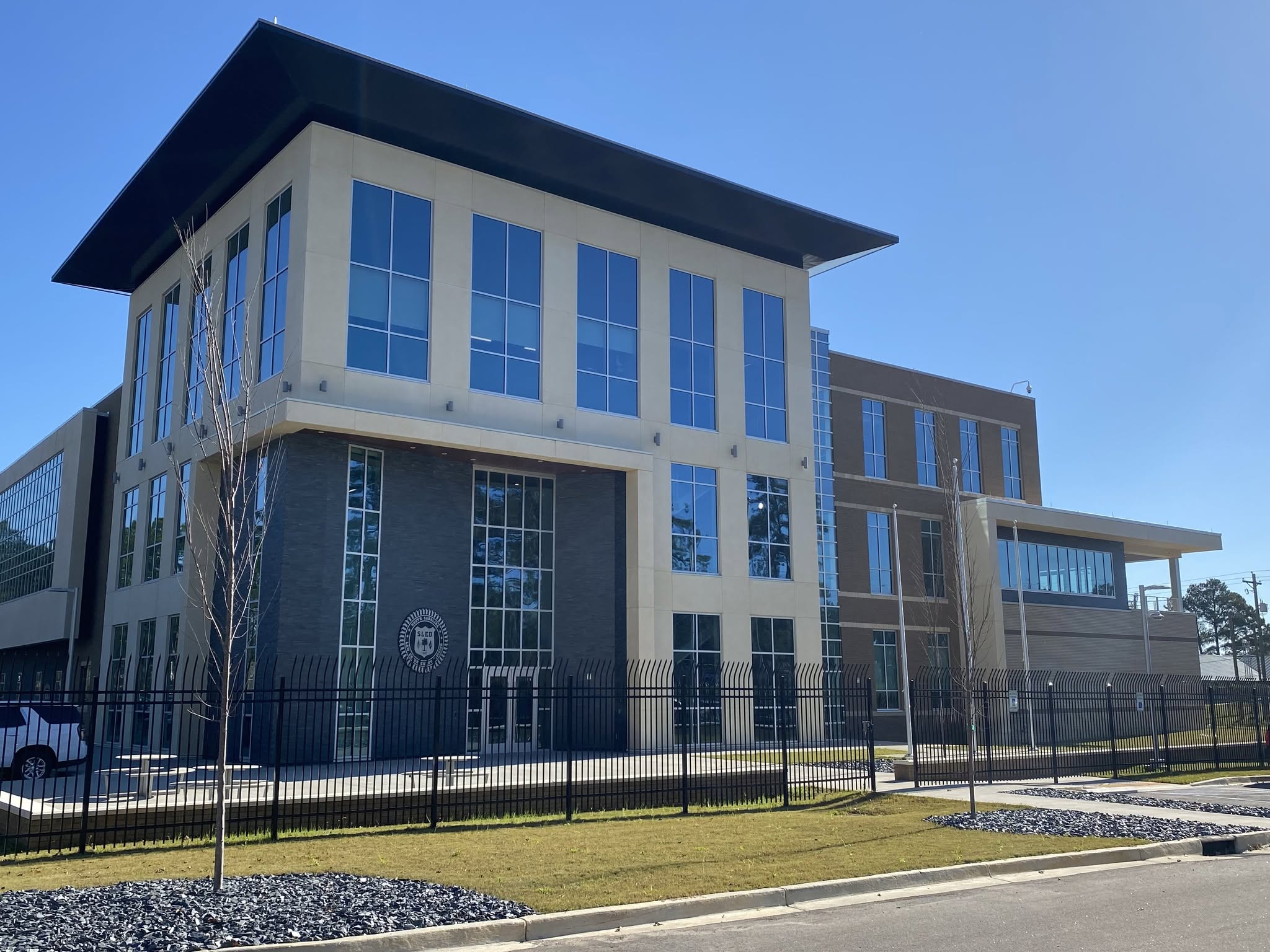
SLED recognizes the countless contributions provided by our forensic personnel throughout the year. During National Forensic Science Week (September 20th through the 26th) we would like to introduce you to the members of SLED’s Forensic Services Department and showcase the work being done to support the criminal justice system.
The SLED Forensic Services Laboratory is a full-service crime laboratory that serves criminal justice agencies throughout South Carolina. Services are provided to local, state, and federal agencies to assist with their case investigations. These services are provided free of charge to the submitters, and forensic staff regularly provide expert testimony to support their findings in the courts of law.
“We are fortunate to have incredibly smart and conscientious employees who perform quality analysis and support the South Carolina law enforcement community,” Laboratory Director Major Todd Hughey said. “We are proud to celebrate and highlight their work during National Forensic Science Week.”
The Crime Scene Unit assists local, state, and federal law enforcement agency investigations by providing assistance in Bloodstain Pattern Analysis/Crime Scene Reconstruction, and Advanced Digital Photography. Crime scene responses may be related to officer-involved shootings, large-scale property crimes, and death investigations, including child fatalities.
The Co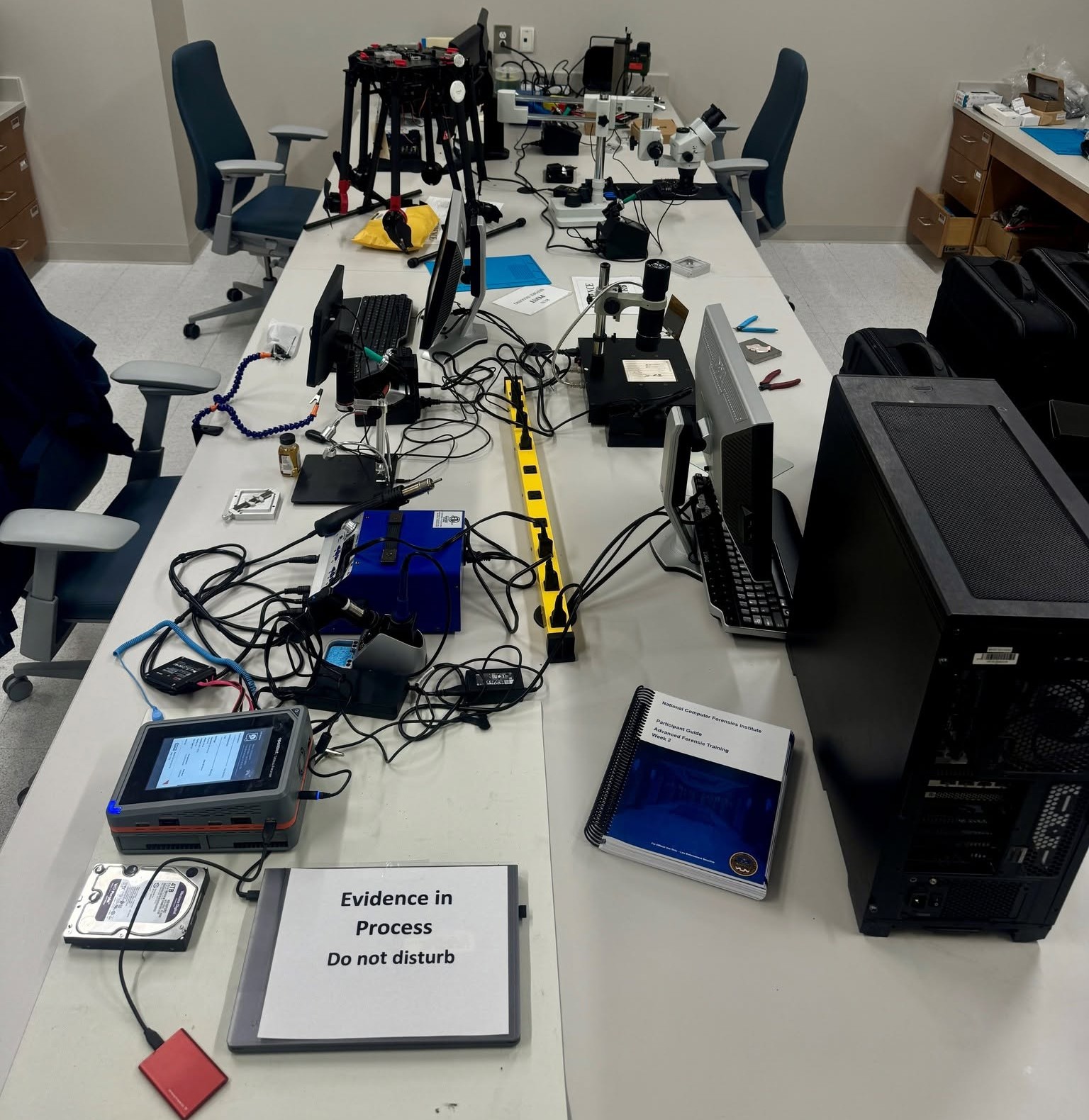 mputer Crime Unit (CCU) oversees the preservation, processing, and analysis of evidence in an analog or digital format. “This unit processes approximately 195 Terabytes of data, which is the equivalent to roughly 39 million photographs,” said Captain Cal Reighley. Computer Crimes Agents and Criminalists also assist local and state law enforcement agencies with computer and cellphone forensics, video and audio enhancement, vehicle forensics, and cryptocurrency investigations.
Those responsible for managing the Combined DNA Index System (CODIS) which is a nationwide database containing the DNA profiles of criminal offenders, crime scene evidence, and missing persons are in the DNA Database Department. Once the information is uploaded to the national Combined DNA Index System (CODIS), SLED notifies law enforcement agencies across the state of any potential investigative leads. DNA Database staff also process DNA expungement requests in accordance with S.C. Code Ann. §23- 3-660.
It’s important to note that the DNA Database Department works in tandem with the DNA Casework Department, which performs scientific analyses on biological evidence. Both departments assist law enforcement with a variety of case types, including violent crimes such as homicides and sexual assaults. Analysts and technicians evaluate available case information to understand the nature of the case and what forensic questions need to be addressed.
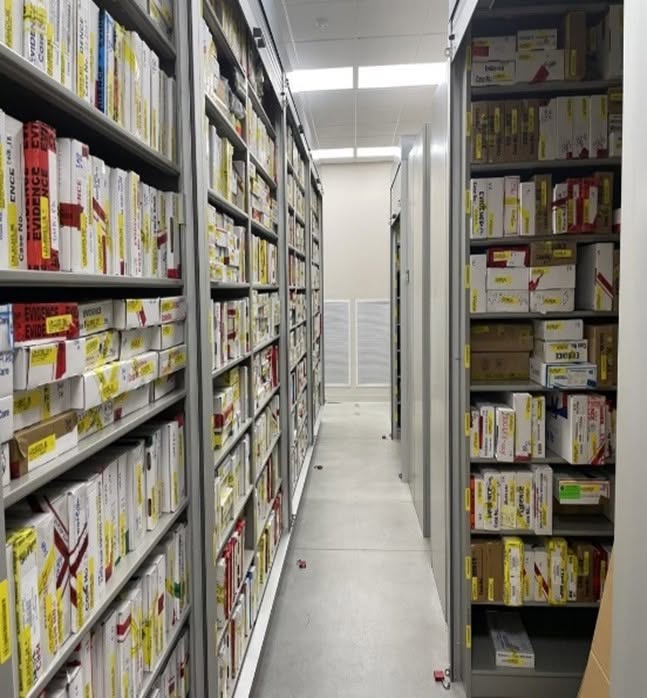
SLED’s team in the Evidence Control Department assists law enforcement officers across the state regarding evidence submitted in forensic investigations. Evidence Control staff distribute evidence collection kits to law enforcement across the state and the department assists approximately 300 agencies statewide. The department receives an average of 23,000 cases annually.
The iLAB system, overseen by the Forensic Technology Department, enables authorized users to pre-log cases for submission to the SLED Forensics Laboratory, download completed reports, and view current information on cases already submitted to the lab. The Forensic Technology Department also oversees Track-Kit™, an online portal for survivors of sexual assault. It also assists healthcare professionals, prosecutors, laboratory personnel, and law enforcement officials, locate a sexual assault test kit as it moves through the criminal justice system.
SLED’s Drug Analysis Department analyzes items to identify the presence and quantity of controlled substances. In cases involving possession, distribution, and manufacture of controlled substances, laboratory analysis is often a major element of the case. In FY 2025-26, the department assisted SLED Narcotics and the Drug Enforcement Administration (DEA) with operation Ganjapreneur. “Over 1500 different products were identified and tested by the SLED Drug Analysis laboratory from 9 warehouses involved with distributing cannabis products throughout the metro-Columbia area,” stated Captain Wendy Bell. The department worked with the DEA to develop a searchable database of these tested products to assist with future drug investigations.
The analysis of biological samples such as bodily fluids or tissue samples for alcohol, drugs and poisons is performed by the Toxicology Department. The department oversees driving under the influence (DUI) and postmortem investigations, suspected cases of criminal sexual conduct, poisoning incidents and moonshine related crimes. SLED’s Toxicology Department has one of the fastest turnaround times in the country for comprehensive Toxicology, averaging 33 days in 2025.
Regulating, inspecting, repairing, and maintaining 149 breath testing instruments at 105 law enforcement locations is the responsibility of the Implied Consent Department. In South Carolina, “Implied Consent” means anyone driving a vehicle is considered to have given their consent to submit to chemical tests (blood, breath, or urine) for the purpose of determining the presence of alcohol or drugs in their system, if they are suspected of driving under the influence (DUI). To replace and update aging instrumentation, the department conducted a transition from the Datamaster DMT to the Intox DMT in FY 2025-26. Approximately 21,000 breath tests are administered each year.
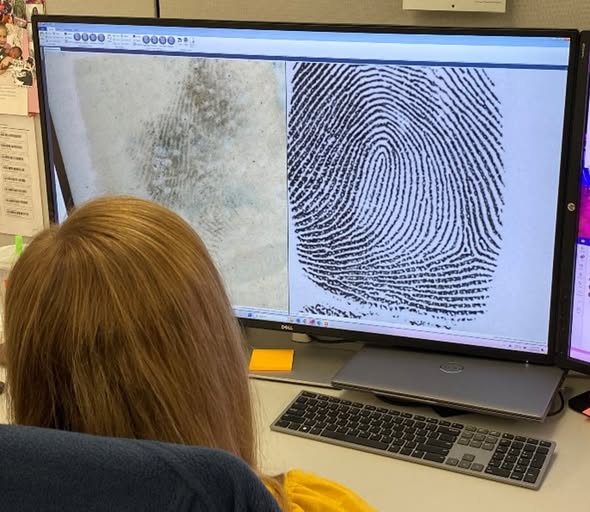 Before we introduce you to the Latent Print Department, a latent print is an unintentional, hidden impression left on a surface by the friction ridge skin of a finger, palm or foot. The staff utilizes various techniques for the development and enhancement of latent prints on submitted evidence, conducts examinations of developed and/or submitted latent prints to known standards, and conducts Automated Fingerprint Identification System (AFIS) searches. The department has also assumed footwear/tire tread examination responsibilities and has implemented an electronic submission program which offers statewide agencies the ability to submit fingerprint evidence electronically.
The Firearms and Toolmarks Department examines and microscopically compares fired ammunition components, including projectiles, cartridge cases, and shotshells recovered from a crime scene to determine if the firearm was used during a shooting. Staff also examine firearms to test operability and compliance with various statutory regulations (capability for full auto fire, barrel length and/or overall length). The department operates the National Integrated Ballistics Information Network (NIBIN) database and the Entry by Appointment (EBA) program designed to promptly provide investigative leads from fired cartridge cases to law enforcement. “On September 1, 2026, the department surpassed 15,000 leads through NIBIN. From April to July of 2026, SLED ranked number one in the nation for NIBIN entries,” said Captain Emily Reinhart.
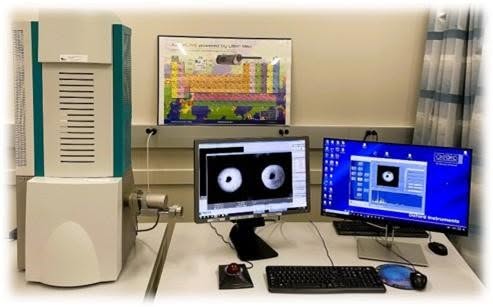
As the Forensics Lab continues to innovate, the SLED Trace Evidence Department has found new ways to more efficiently analyze gunshot residue for faster turnaround. The department analyzes a variety of materials, including explosives, fibers, fire debris, glass, gunshot primer residue, and paint for both general physical and chemical analysis.
We wrap up National Forensic Science Week by recognizing our team in Quality and Safety. Maintaining accreditation compliance and conformance is critical to the mission of SLED. The Quality and Safety Department responds to all FOIA and Discovery requests for forensic documentation and coordinates external and internal audits to include accreditation assessments, Laboratory Safety Inspections, Workplace Audits, and an annual Internal Quality Audit. Overall laboratory safety protocols, proficiency testing requirements and testimony evaluations are managed by Quality and Safety personnel.
The laboratory first achieved accreditation in 1994 and is proud to have maintained accreditation for over 30 years.
National Forensic Science Week has provided a platform to elevate and celebrate the contributions of forensic science since 2013.