

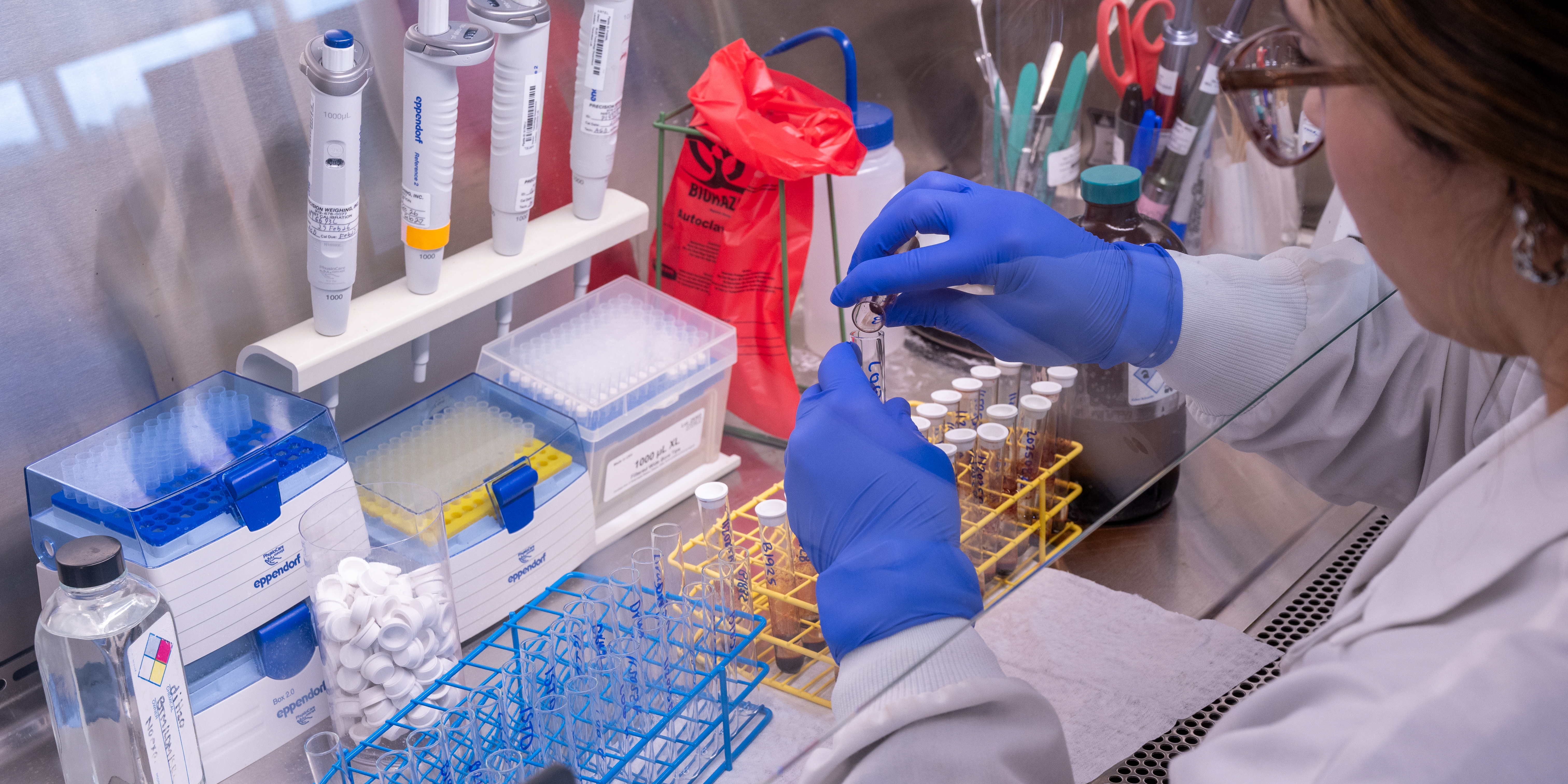
Toxicology Evidence Processing
The Toxicology Department is responsible for the analysis of biological fluids and tissues for the presence or absence of alcohol, drugs, and poisons. The department has a wide array of instrumentation including: Gas Chromatography/Mass Spectrometry (GC/MS), Liquid Chromatography/Tandem Mass Spectrometry (LC-MS/MS), Liquid Chromatography/Quadrupole Time of Flight (LC-QTOF), Headspace Gas Chromatography, Headspace Gas Chromatography/Mass Spectrometry, and Enzyme Linked Immunosorbent Assay (ELISA). Additionally, the toxicologists interpret their findings in respect to impairment or toxicity of the compounds detected.
The department primarily handles postmortem, driving under the influence (DUI), and criminal sexual conduct investigations. In addition, the department handles moonshine cases, investigations into potential poisonings and provides emergency analytical services for hospitals in life or death situations. Rapid preliminary analytical results are provided in cases involving child fatalities and officer involved shootings.
Toxicology Department Summary – Capabilities and Services
- Analysis of blood, urine, other biological fluids or tissues for:
- Ethanol and other volatiles
- Drugs – drugs of abuse and other clinically significant drugs
- Poisons (i.e. carbon monoxide, arsenic, strychnine, cyanide, pesticides and herbicides)
- Analysis of liquids (i.e. moonshine) for ethanol and other volatiles
- Consultation and technical assistance in suspected or known poisoning cases.
- Consultation with coroners, pathologists, investigators or attorneys concerning the results of analyses and interpretation of the toxicological significance of those findings.
- Expert courtroom testimony in cases providing results of analysis and interpretation of the toxicological significance of those findings.
Customer Notices and Forms
2025-01 Customer Notice - Toxicology Department Preliminary Screening Panel
SLED QTOF Library 03102025-current